Honoring Native American and Indigenous Leaders Through YMCA History

Native American Heritage Month is a time to celebrate the resilience, creativity, and leadership of Native American and Indigenous communities. At the YMCA, this history is reflected in the stories of trailblazers who have contributed to youth development, cultural understanding, and community building.
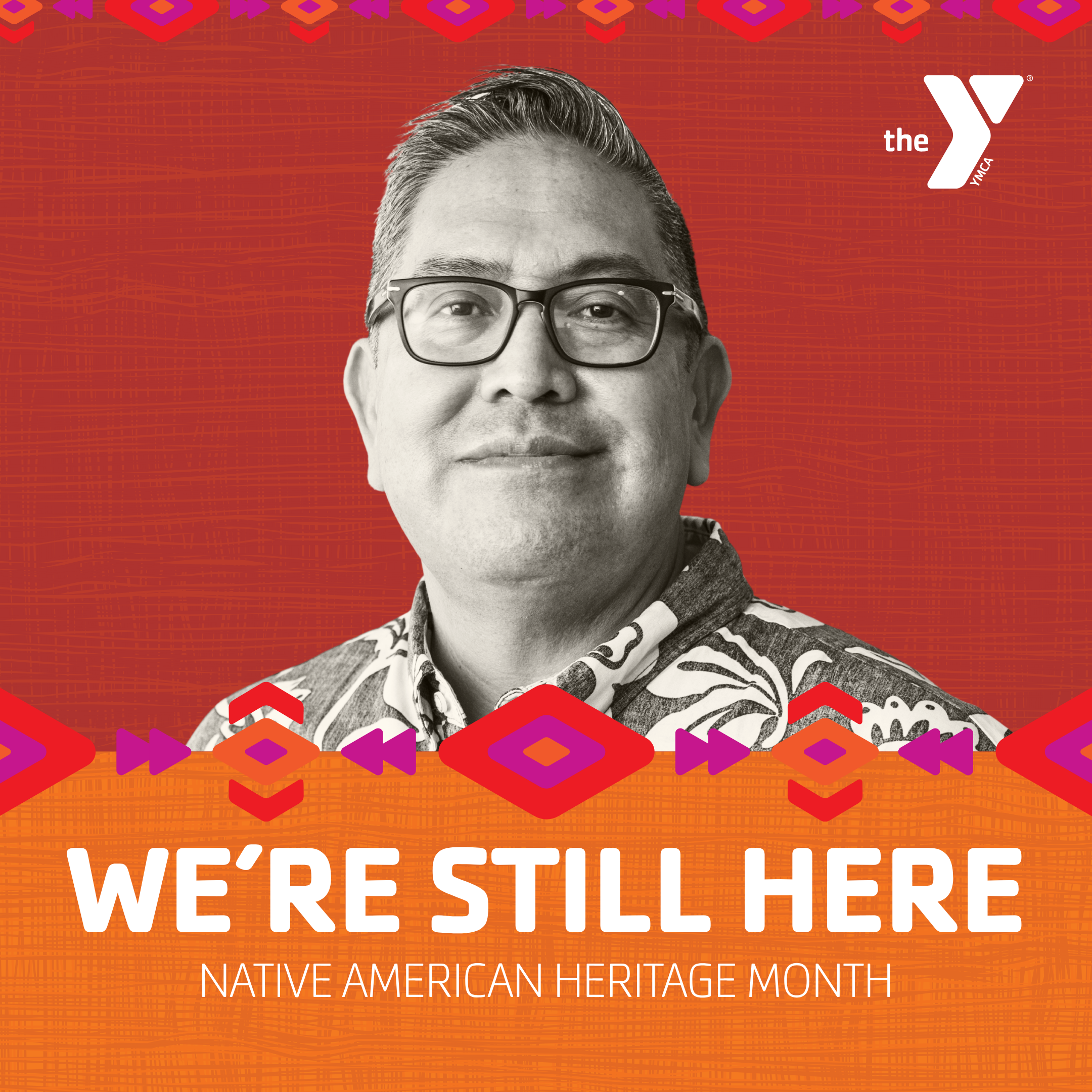
In more recent history, Les Peters, born and raised on the Umatilla and Yakama Reservations in the Pacific Northwest, is a nationally recognized leader in youth development with more than 25 years of experience supporting underserved youth through culturally responsive programs that blend digital media arts, outdoor education, and youth leadership. As Executive Director of the YMCA of Greater Long Beach’s Community Development Branch, he brings Native American and Indigenous worldviews into his work to foster greater cultural understanding and a welcoming community for all. A member of the Yakama Nation, Les is a drum keeper, pow wow singer, northern traditional dancer, and Eagle Staff keeper. His work will continue to inspire generations to come.
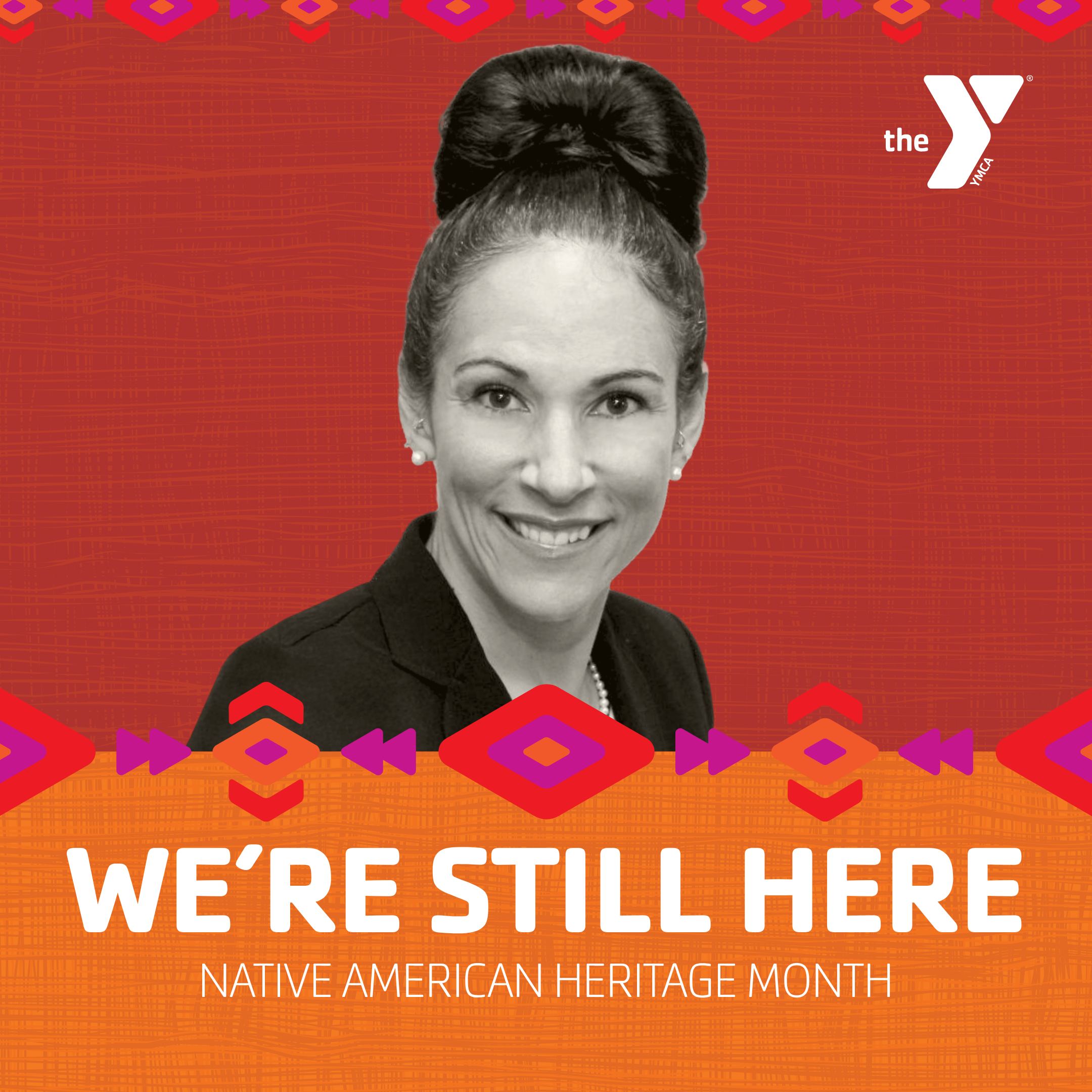
In 2021, Charlene Lyons, a member of the Lumbee Tribe of North Carolina, became the first Indigenous President and CEO of a YMCA in the United States. As current CEO of YMCA of the Treasure Coast, her leadership has helped ensure that Native American and Indigenous perspectives are represented and celebrated across the YMCA network. She also is a founding member and currently serves as the chair of the Native American Indigenous Resource Network (NAIRN), the YMCA’s first national Employee Resource Group for Native and Indigenous staff. Since launching in 2024, NAIRN has helped amplify Native American and Indigenous voices at Ys across the country.
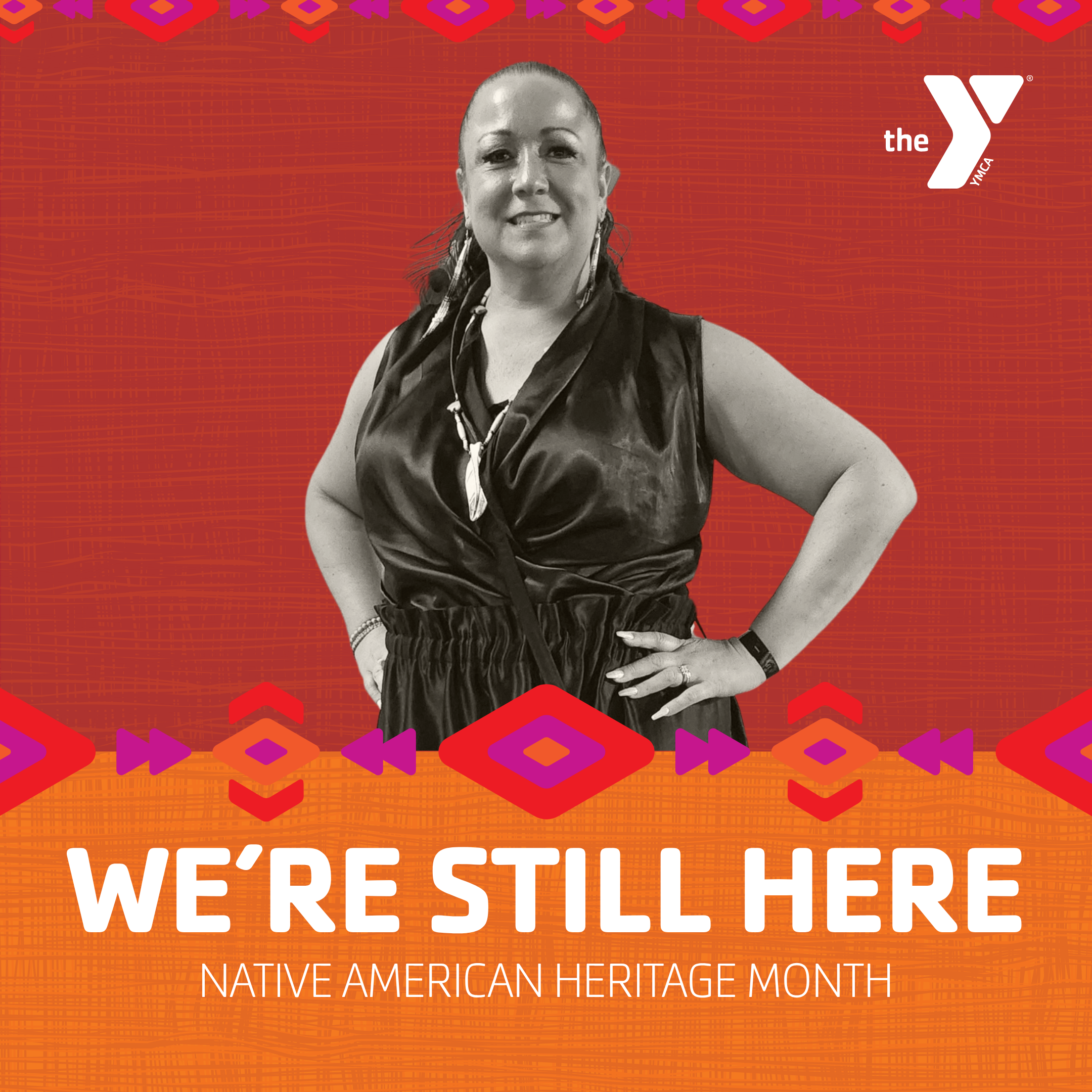
Nicole Bolding is a proud descendant of the Seneca Nation, one of the Haudenosaunee (Six Nations) peoples of present-day New York State. Her father, Jon, is an enrolled Seneca citizen, and her late grandmother, Helen, was a survivor of the Thomas Indian School boarding school system. As a founding member of the Native American Indigenous Resource Network (NAIRN) and Director of Thriving Ys at YMCA of the USA, Nicole is passionate about creating greater visibility, belonging, and opportunity for Native and Indigenous staff across the YMCA movement. For Nicole, this work is both personal and purposeful. Participation in NAIRN has been an empowering and healing experience, strengthening her connection to her heritage and reinforcing her commitment to ensuring future generations—including her own children—remain connected to their culture, community, and traditions.
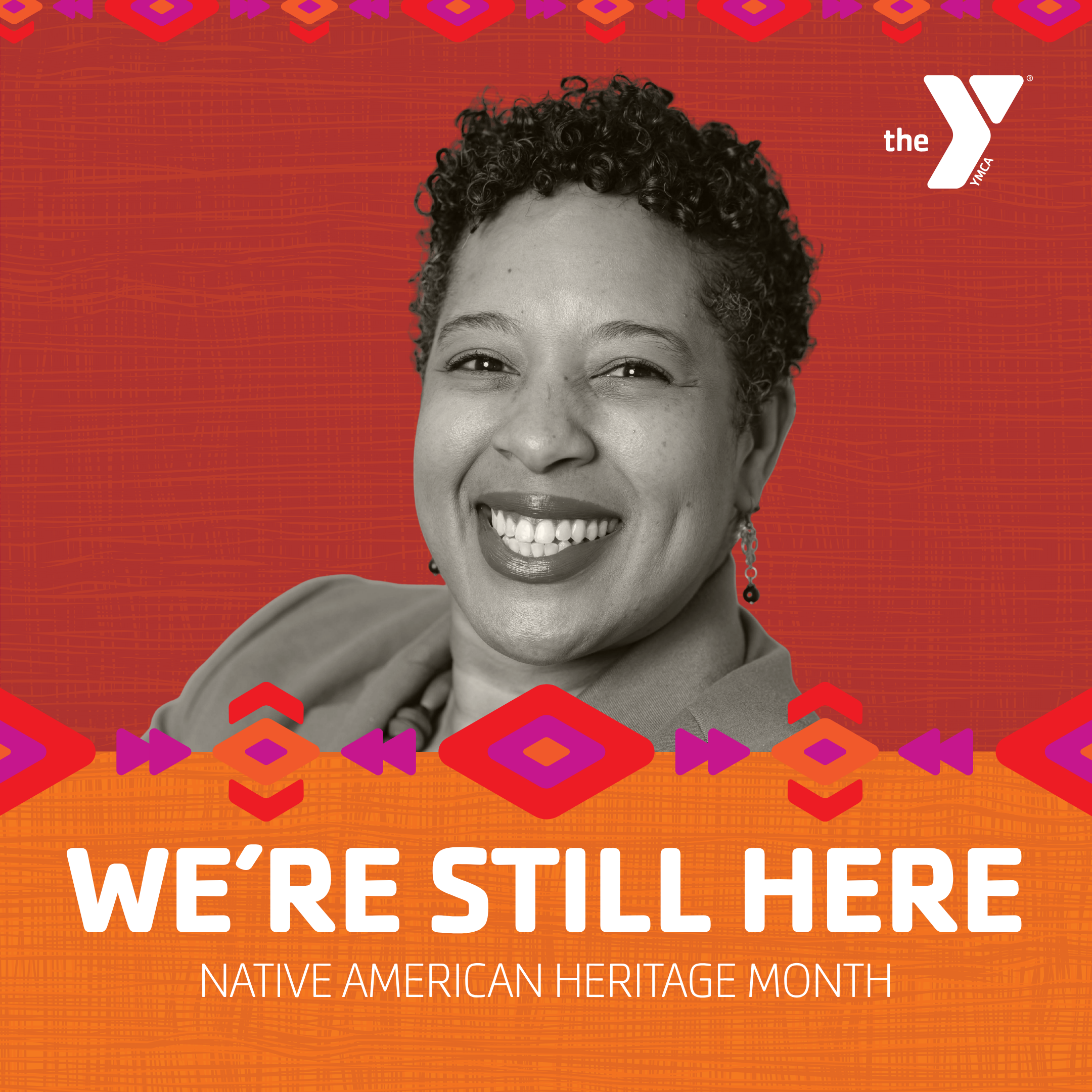
For Khalilah Pitt, leadership begins with belonging. A member of YMCA of the USA's Learning & Leadership Development team and founding member of the Native American Indigenous Resource Network (NAIRN), Khalilah is passionate about helping others feel seen, valued, and empowered to lead authentically. Her connection to her Native American heritage comes through her maternal grandmother, Leila Lynch, an unenrolled member of the Lumbee Tribe. As she continues to learn more about her family's history, Khalilah draws inspiration from the resilience of her ancestors and remains committed to preserving their legacy while creating opportunities for others to thrive. This Native American Heritage Month, we celebrate Khalilah's leadership, advocacy, and commitment to building stronger, more connected communities.
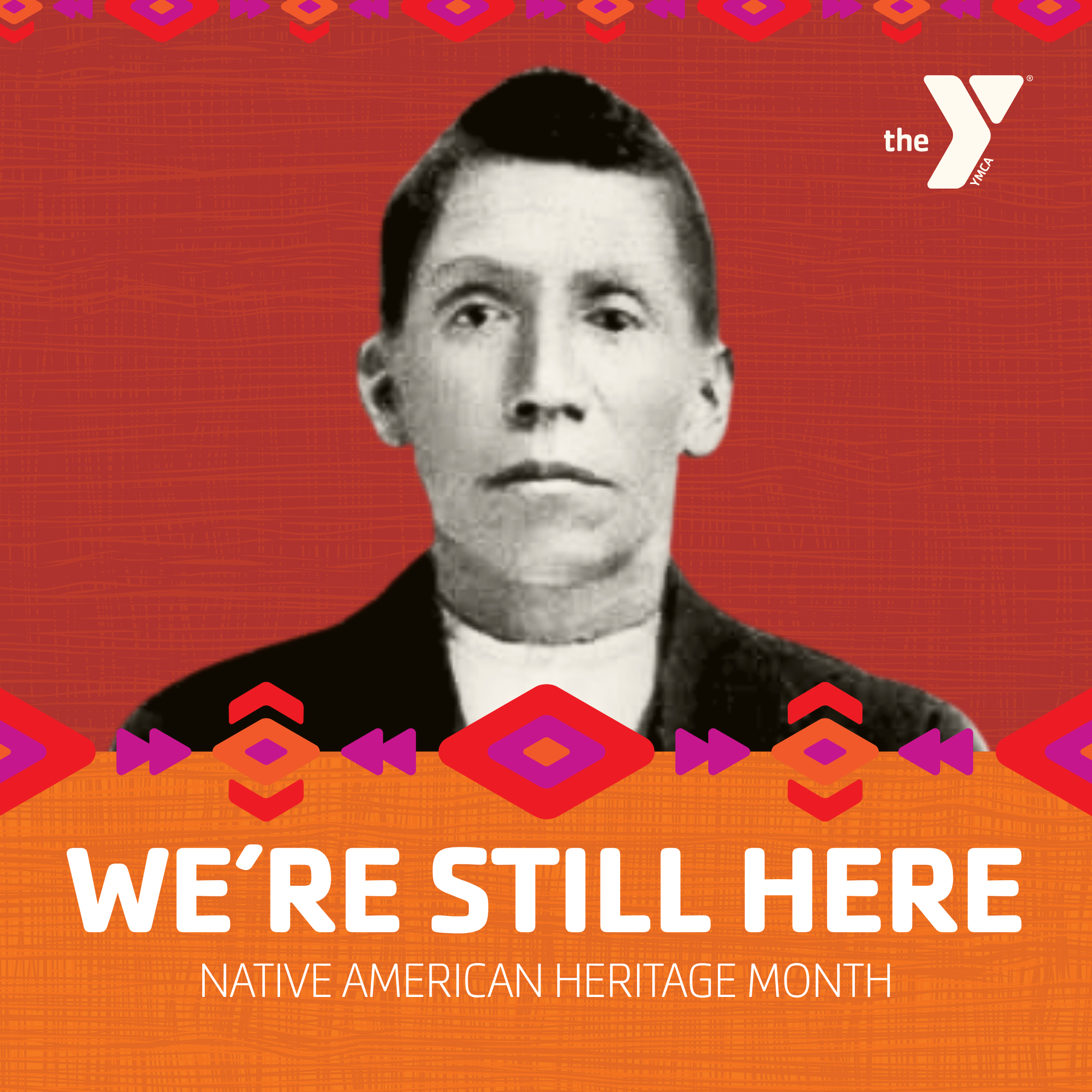
In 1879, Thomas Wakeman, known by his Dakota name Wowinape (“Place of Refuge”), founded the first YMCA serving Native Americans in Flandreau, South Dakota. By 1886, nearly 40 Native associations, including student YMCAs, had formed, creating spaces for belonging, growth, and community. His pioneering work laid the foundation for Native engagement in YMCA programs across the country.
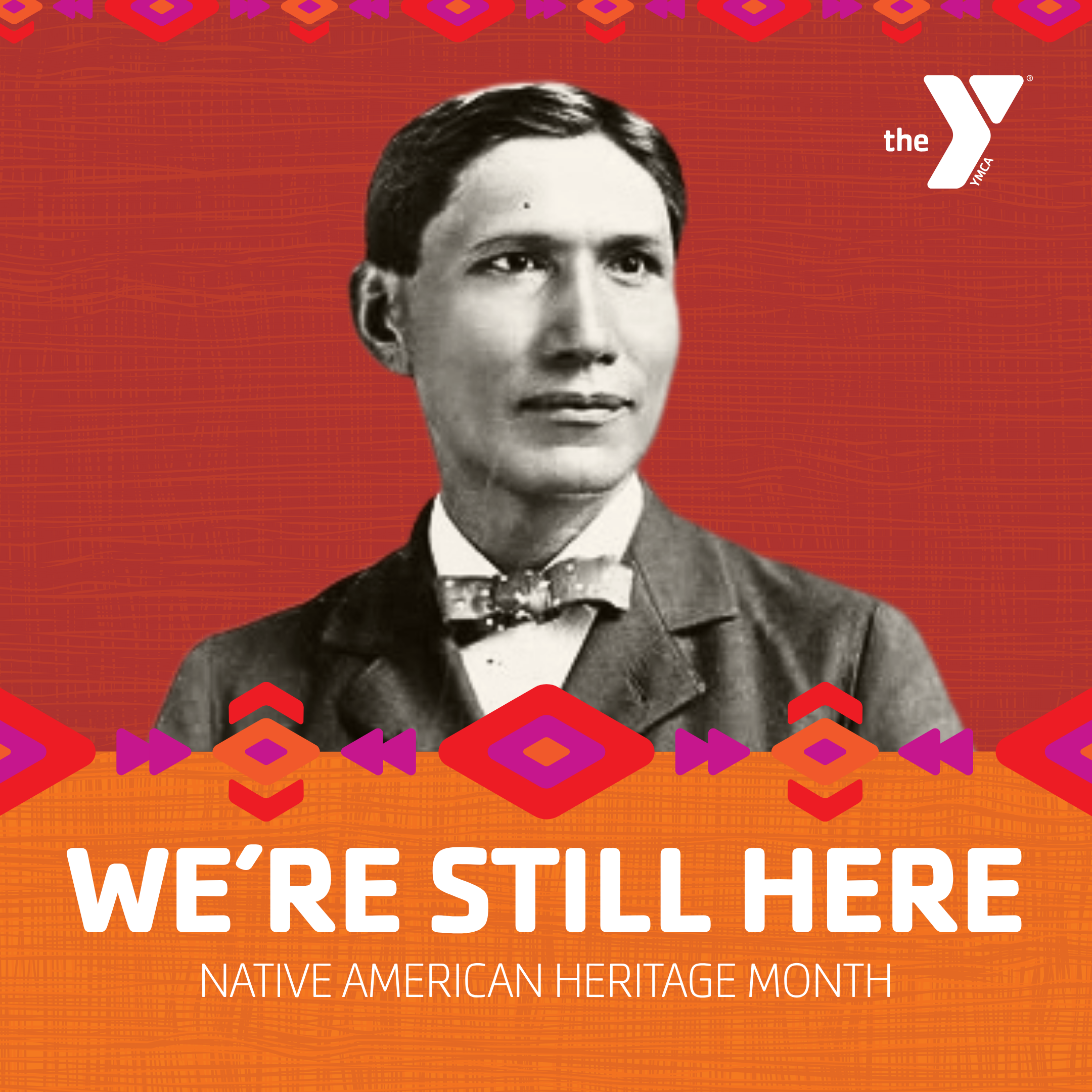
Dr. Charles Eastman, known by his Santee Sioux name Ohíye S’a (“Always Wins”), became the first Native American to earn a Western medical degree. Between 1894–1898, he founded 32 YMCA chapters for Native communities and designed leadership and outdoor programs that continue to inspire youth today. In 2010, Dr. Eastman’s extraordinary legacy was honored with induction into the YMCA Hall of Fame.
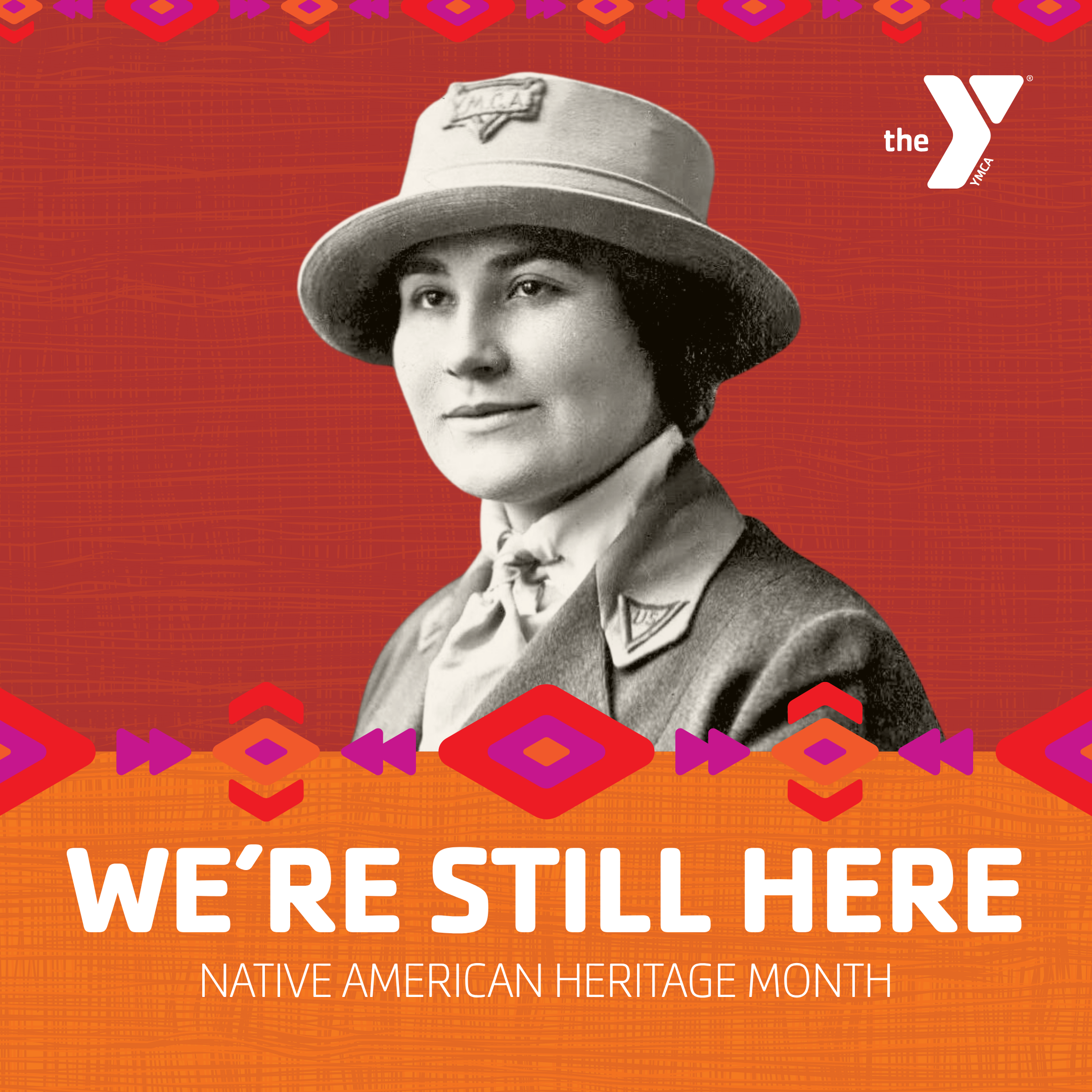
During the early 20th century, Atalie Unkalunt, a Cherokee artist, opera singer, and activist also known as Sunshine Rider, used her talents to share Native American culture with the world. Through the YMCA, she brought songs and legends to over 350 public schools in New York City, fostering cultural understanding among diverse communities. She served overseas with the YMCA during World War I, performed at the White House, and sought to compose a Native American opera, leaving behind a legacy of artistic and educational inspiration.
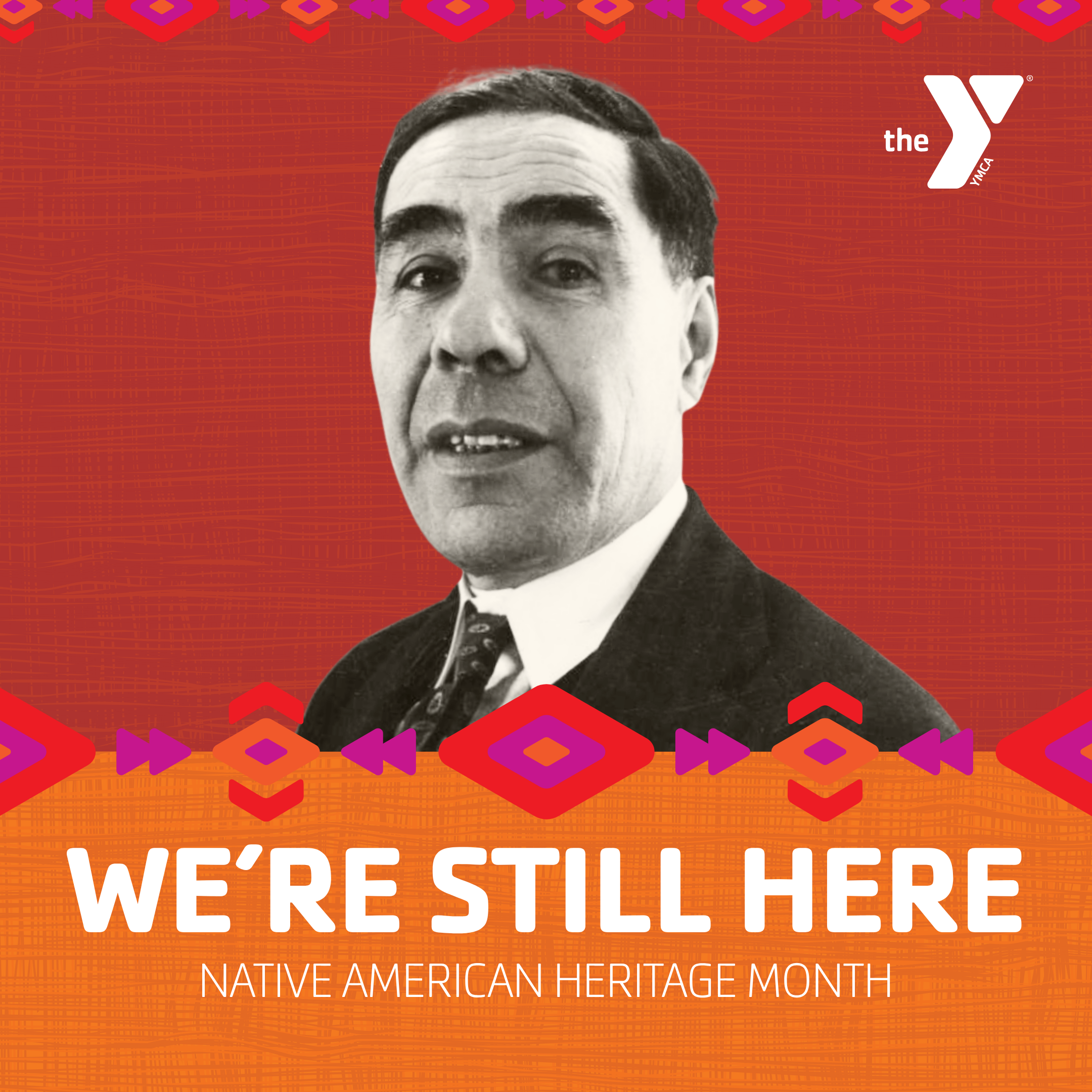
Joe Friday, a Cree leader whose Native name was Opwagan Kisikaw Pîsim (“Pipe in the Sky Moon”), played a pivotal role in shaping YMCA leadership programs in the early 20th century. Traveling across North America, Friday advocated for Indigenous youth and shared his vision of resilience, cultural pride, and service through the YMCA, inspiring generations of leaders, both Native and non-Native alike.