Prediabetes: Why Taking Action Early Matters

Why Early Action Matters
Prediabetes is a medical condition that often develops without noticeable symptoms, but recognizing your risk early can make a big difference in preventing the progression to type 2 diabetes.
November is National Diabetes Month, which raises awareness of diabetes prevention, management, and research. November 14th is also World Diabetes Day, honoring the birthday of Sir Frederick Banting, a scientist who identified insulin and laid the groundwork for its therapeutic use in managing blood sugar levels. Each year, the day highlights a new theme. This year's theme is “Early Action on Diabetes,” spotlighting the importance of taking charge of your health, detecting the condition early, and reducing health risks.
What are Diabetes and Prediabetes?
What is diabetes? Diabetes is a disease where your blood glucose (blood sugar) consistently remains too high. In a healthy body, someone will eat food that contains carbohydrates and digest them down into simple sugars, which are then absorbed into our bloodstream, raising blood sugar levels. The hormone insulin helps this sugar move from our bloodstream into our cells to be used for energy, kind of like a “key” unlocking the door to let sugar into the cells. People with diabetes may not produce insulin (“absolute insulin deficiency”), or not produce enough insulin (“relative insulin deficiency”), or their cells aren’t responding to the insulin (“insulin resistance”), so the sugar remains in their bloodstream at high levels. If diabetes isn't managed properly, high blood sugar can damage the vessels of the eyes, kidneys, nerves, heart, and more. In prediabetes, blood sugar levels are higher than normal, but not high enough to be called diabetes. Prediabetes can quickly progress to diabetes. And, prediabetes can cause health issues on its own, even if it does not progress to diabetes.
There are different types of diabetes. However, causes, management, treatment, and experience can differ from person-to-person, even within the same type of diabetes.
Type 1 diabetes occurs when your body makes little to no insulin. The immune system attacks and destroys the insulin-producing cells in the pancreas. As a result, insulin medication is required to stay alive and keep blood sugar at safe levels. Although it can develop at any age, this type of diabetes is usually diagnosed in children and young adults.
Type 2 diabetes is when the body doesn’t utilize insulin properly. The pancreas may produce insulin, but not enough to keep blood sugar in range. Sometimes, the pancreas works so hard to produce extra insulin to keep blood sugar down that the insulin-producing cells “burn out” and eventually stop producing insulin; these people require insulin medication since their pancreas gradually stops producing it. There are many types of medication that may be prescribed to people with Type 2 diabetes to keep their blood sugar at safe levels. And, some people with Type 2 may not require medication if they make lifestyle changes that are effective in managing their blood sugar. Many people with Type 2 diabetes use both medication and lifestyle changes to most effectively treat their condition. Type 2 is the most common type of diabetes and can develop at any age, even during childhood.
The good news? We may be able to catch prediabetes before it progresses to diabetes by knowing if we are at risk and by visiting the doctor for blood test screenings regularly. Identifying prediabetes early gives you an opportunity to make lifestyle changes that can help prevent or delay Type 2.
Who is at Risk for Prediabetes?
Prediabetes often develops without noticeable symptoms, which means you could have it without knowing. Understanding your risk is an important first step toward prevention.
Several factors can increase your risk of developing prediabetes, some of which we can change or improve (“modifiable risk factors”), but some we cannot change:
Non-Modifiable Risk Factors:
- Age — risk increases as people get older.
- Family history — having a parent or sibling with type 2 diabetes.
- Race and ethnicity — certain populations have a higher statistical risk, including Black, Hispanic/Latino, American Indian, Alaska Native, Asian American, and Pacific Islander people.
- History of gestational diabetes — having had diabetes during pregnancy.
- History of giving birth to a baby weighing 9 pounds or more.
- Other medical conditions, including polycystic ovary syndrome, Cushing’s syndrome, and sleep apnea.
- Long-term use of some medications such as glucocorticoids, some antipsychotics, and some medicines for HIV. Do not adjust any of your medications without working with your healthcare provider.
Modifiable Risk Factors:
- Overweight or obesity, especially excess abdominal fat.
- Physical inactivity or spending long periods sitting.
- Unhealthy eating patterns, such as frequent intake of sugary drinks and highly processed foods.
- High blood pressure; may be managed through medication and lifestyle changes.
- Abnormal cholesterol or triglyceride levels; may be managed through medication and lifestyle changes.
- Smoking.
Having one or more risk factors doesn’t necessarily mean you have prediabetes, but it does make knowing your blood sugar levels especially important. Since prediabetes often has no clear symptoms, a simple blood test through your health care provider can help determine if your levels are within a healthy range. If you’re unsure about your risk, talk with your health care provider about whether screening is right for you.
What Should You Do If You Have Prediabetes?
Receiving a prediabetes diagnosis can feel overwhelming and scary, but it also provides an opportunity to take action. As the American Diabetes Association emphasizes, “with prediabetes, action is the best medicine.” With proper action and management, reversal of prediabetes, halting progress of the disease, or delaying the onset of Type 2 diabetes is possible. So, what does healthy living look like? You don’t have to make major changes overnight. Small, consistent steps can add up to meaningful changes in your health.
- Take care of your mental health. Find healthy ways to manage stress and make time for activities that support your emotional well-being, like being with friends and family.
- Get moving. Regular physical activity is an important part of supporting healthy blood levels. For many people, 150 minutes per week may result in health benefits. If you are starting from a non-active lifestyle, work up to this 150 minute goal!
- Prioritize sleep. Getting enough quality sleep helps with stress, emotional wellbeing, and gives you the energy to live an active life!
- Manage your weight. Research from the National Diabetes Prevention Program found that a weight loss of 5-7% in individuals with prediabetes or a high risk of developing Type 2 diabetes helped reduce their chance of developing the disease.
- Consume healthy foods and drinks. Focus on balanced meals with vegetables, fruits, whole grains, lean proteins, and healthier beverage choices.
- Track your progress. Self-monitoring of your physical activity, sleep, weight, and healthy eating helps you stay motivated and celebrate the changes you are making! Try a paper log, a tracking app, or another option to self-monitor.
How Can the YMCA Help Prevent Type 2 Diabetes?
Lifestyle changes can be difficult, but resources can help you make lasting changes. That’s where the YMCA can help.
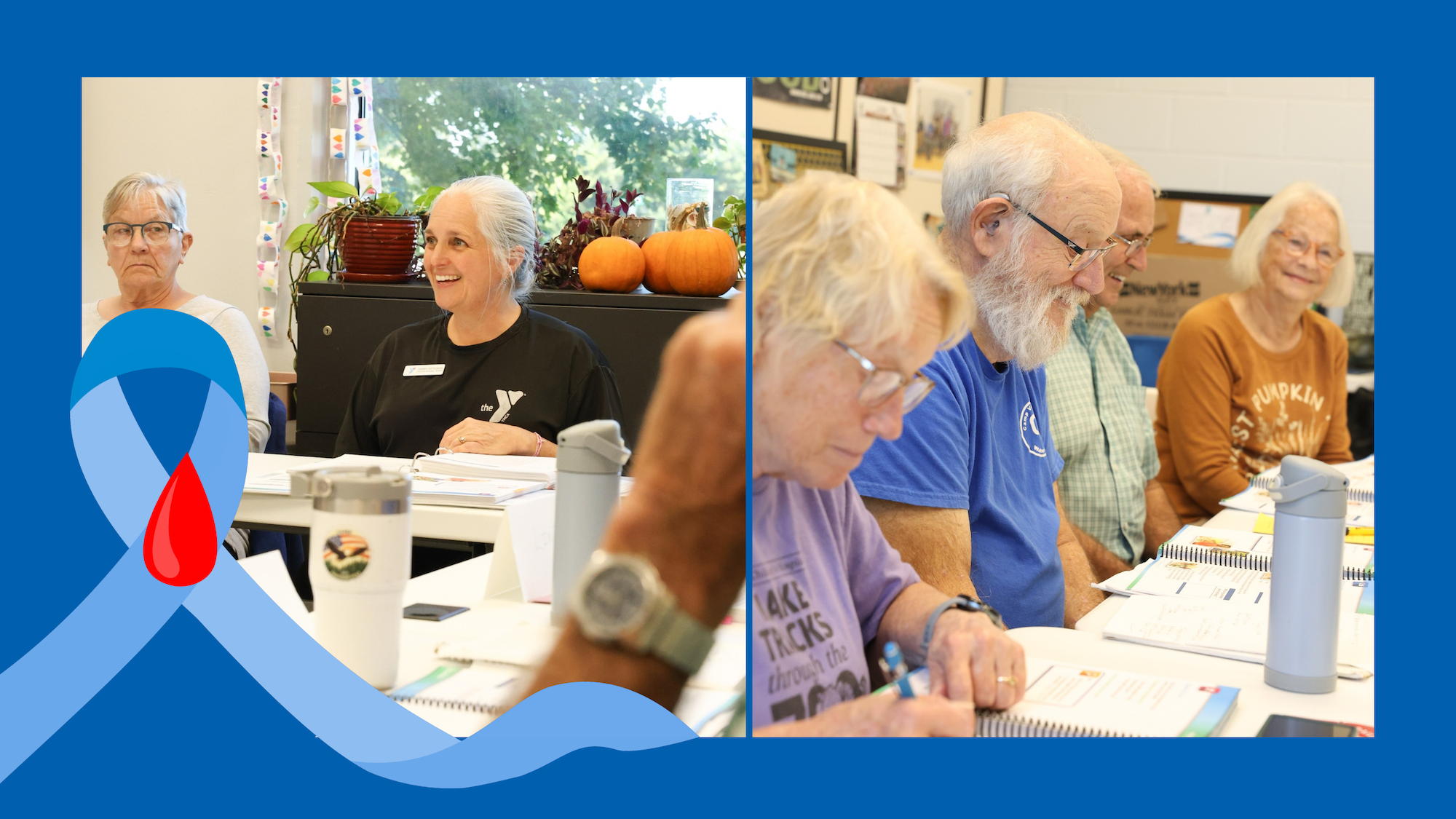
The Gateway Region YMCA offers the National Diabetes Prevention Program, an evidence-based lifestyle modification course that helps adults reduce their risk of developing type 2 diabetes. Through education, group support, and guidance from a trained lifestyle coach, participants learn how to build healthier habits that last.
The program offers:
- A safe space. You can feel comfortable sharing your experiences and challenges in a private space.
- Guidance. The program includes weekly, biweekly, and monthly meetings, a workbook, and a trained lifestyle coach to help you stay on track.
- Working as a group. You don't have to learn on your own. Connect with others who understand what you’re experiencing and are working toward similar goals.
- New energy and confidence. This comes with losing weight, reducing your risk of type two diabetes, and taking control of your health.
Another benefit? You don’t have to be a YMCA member to participate! The program is open to members and non-members alike, making it easier to access the support and resources you need. Learn more about the Gateway Region YMCA’s DPP here.
Real Stories, Lasting Changes
For participants in the YMCA's Diabetes Prevention Program, the impact goes beyond learning healthier habits. Here's what participants have shared about their experiences:
I did not want diabetes to rob me of my life.
I have now discovered the magic of movement. I am in a far healthier place.
The diabetes prevention program unlocks the keys to a healthier lifestyle.
Hear From Our Participants
Watch the video to hear more about their experiences with the YMCA's Diabetes Prevention Program.
Take the First Step Toward Prevention
With prediabetes, early action matters. The good news is that managing your blood sugar and improving your overall health can help prevent or delay type 2 diabetes. By building healthy habits, managing your weight, and working with your health care provider, you can take control of your health before prediabetes progresses.
You don’t have to take these steps alone. The Gateway Region YMCA is here to help you set and achieve goals of a healthier future. Ready to get started? Learn more by calling 314-598-2120, emailing communityhealth@gwrymca.org, or visiting our webpage and filling out our interest form.
Blog written by: Cynthia Galvan, Dietetic Intern.
Reviewed by: Margaret Conte, MS RD LD